
When you're selling a car, it's often the small things that make the biggest difference.
This Hilux was getting ready for sale and needed an all-round tidy-up. Rather than concentrating on one particular area, I worked around the entire vehicle, improving the paintwork, dealing with the more noticeable scratches and stone chips, and refreshing some of the exterior plastics.
A well-presented vehicle doesn't just photograph better for an advertisement. When a potential buyer sees a vehicle that's been looked after, there are fewer obvious imperfections for them to focus on — and fewer things to use when negotiating the price down.
Bringing the paintwork back
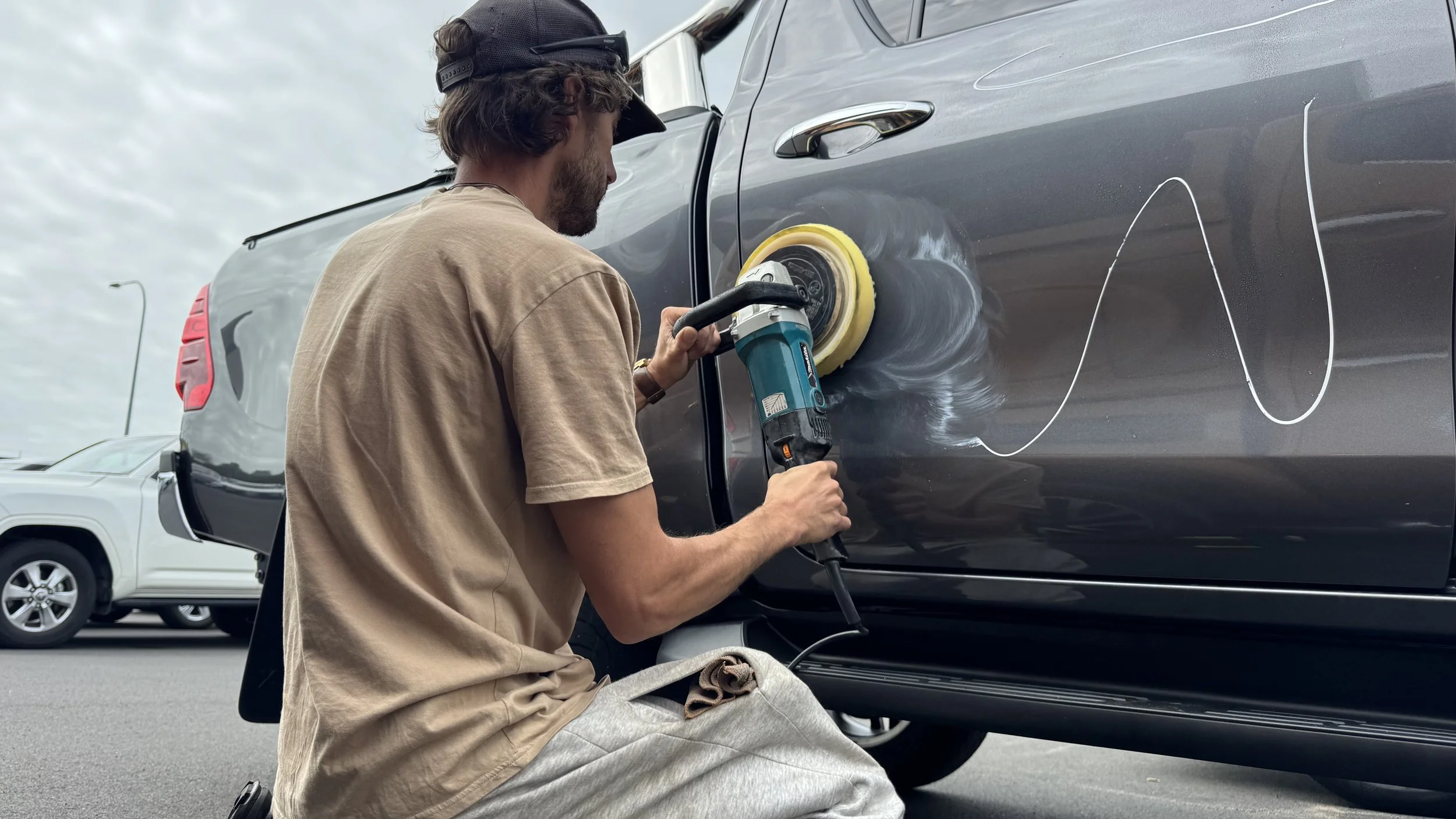
The first stage was a full machine buff over all of the painted panels. This removes much of the lighter scratching and weathering that builds up over time and begins restoring the gloss to the paint.
Once that was complete, I went back with the smaller mini buff and concentrated specifically on the worst scratches. The smaller machine lets me work much more precisely on individual marks without unnecessarily cutting the surrounding paint.
Extra care should always be taken around door edges meet points. Too long, or too much pressure here and you can cut through the clear.
The areas a machine can't reach
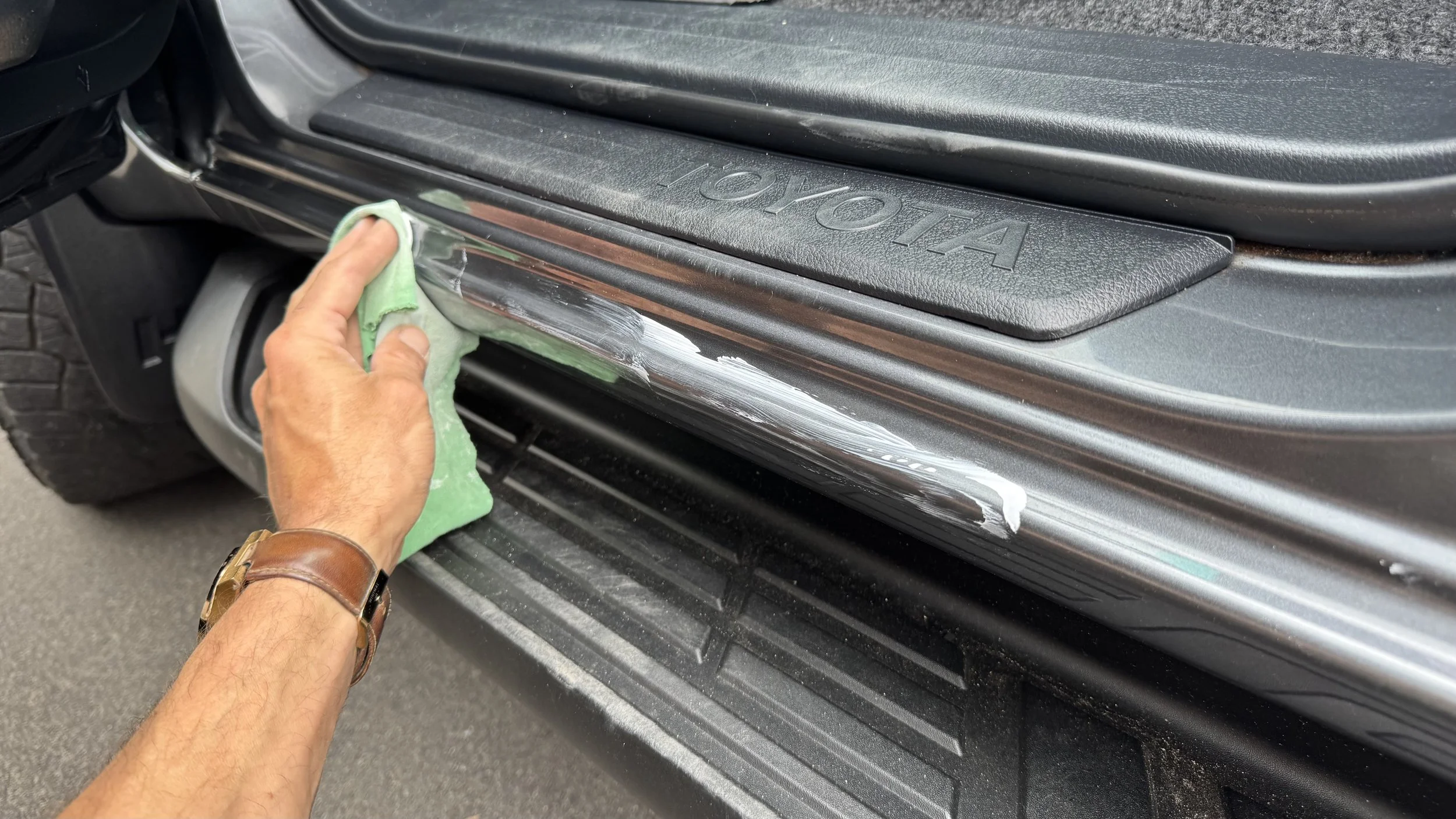
Areas such as inside door handles tend to accumulate thousands of tiny scratches from fingernails over the years. Individually they're barely noticeable, but together they dull the paint and become particularly obvious on darker colours.
The door sills suffer from a similar problem, with shoes repeatedly rubbing across the paint as people get in and out of the vehicle.
I hand-polished these harder-to-reach areas to reduce that fine scratching and bring back the gloss before moving on to the final polish over the vehicle.
Getting the finish right
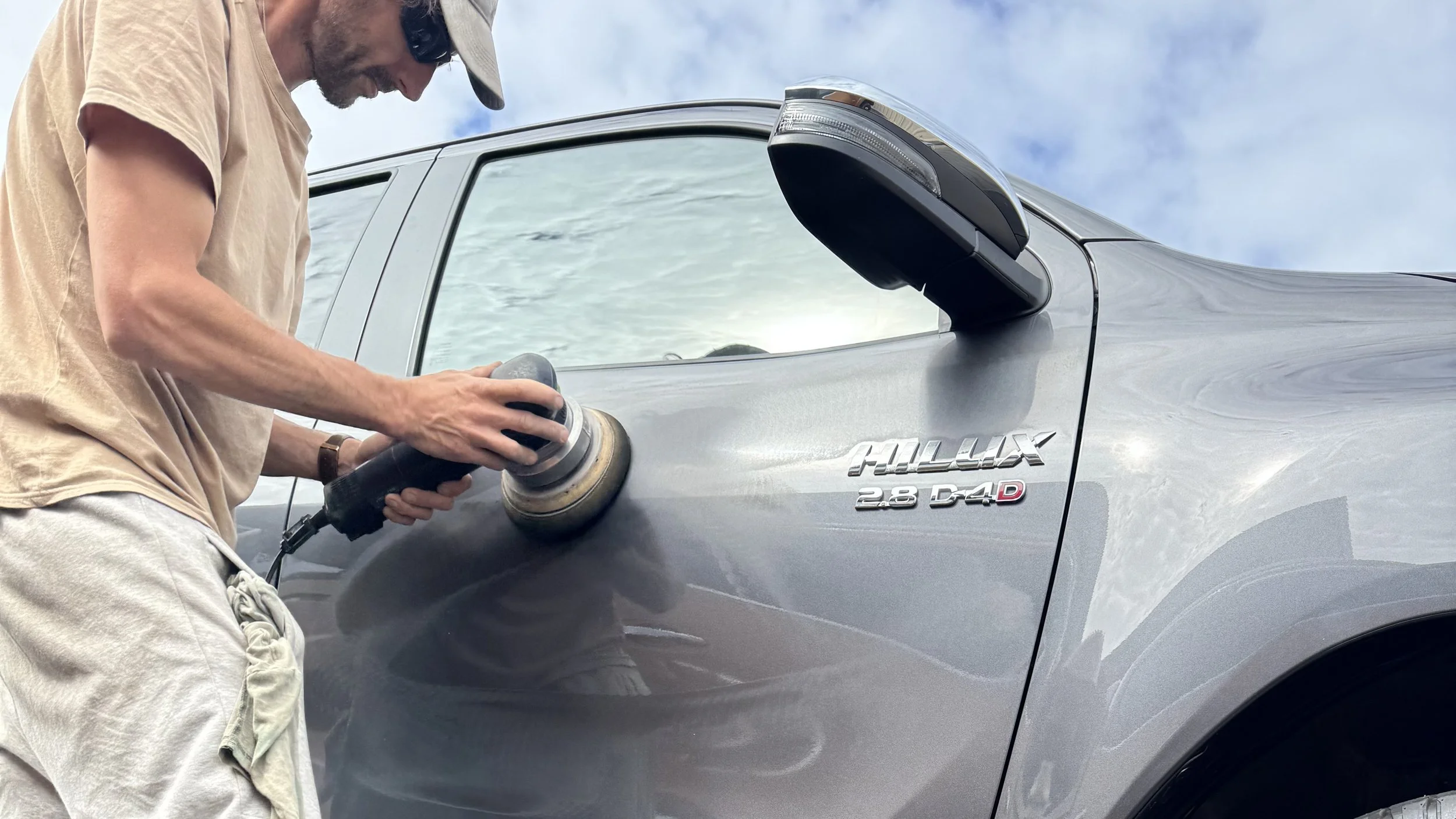
With the heavier scratches dealt with and the harder-to-reach areas hand-polished, I went over the entire vehicle with a high-quality anti-swirl polish.
This final stage makes a particularly noticeable difference on darker colours. Fine swirls and hazing scatter reflected light and can make dark paint look dull even when it's clean. Refining the finish brings back the depth and clarity of the paint, giving it that deep, mirror-like appearance you associate with a well-presented showroom vehicle.
Taking care of the remaining marks
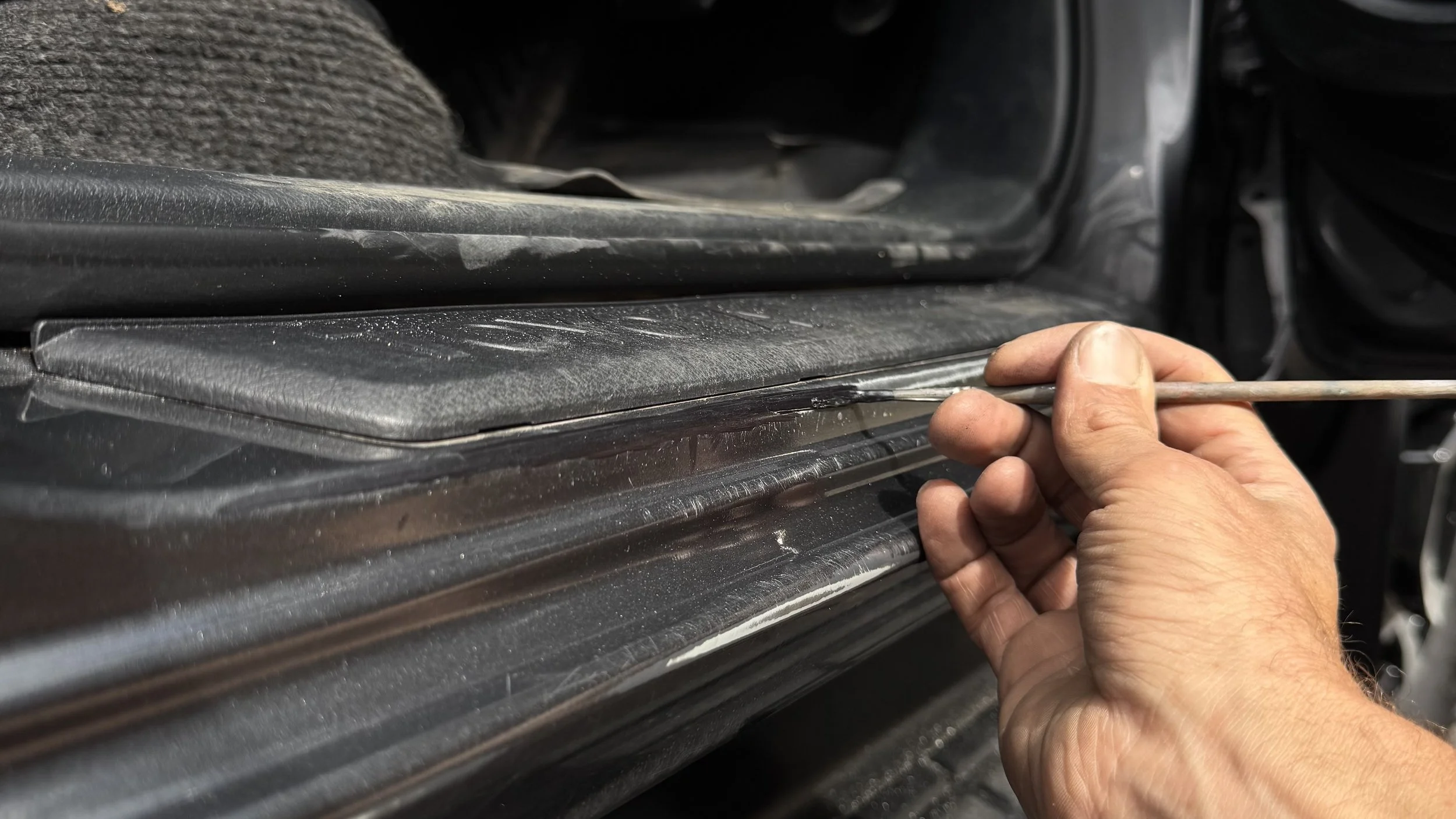
Machine polishing can dramatically improve paintwork, but some damage is far beyond a buff job.
Door sills can become heavily scratched and, in some areas, wear right through to bare metal. I colour-matched paint to the Hilux and carefully brush-touched these areas along with the remaining stone chips and deepest scratches that polishing couldn’t remove.
The finishing touches
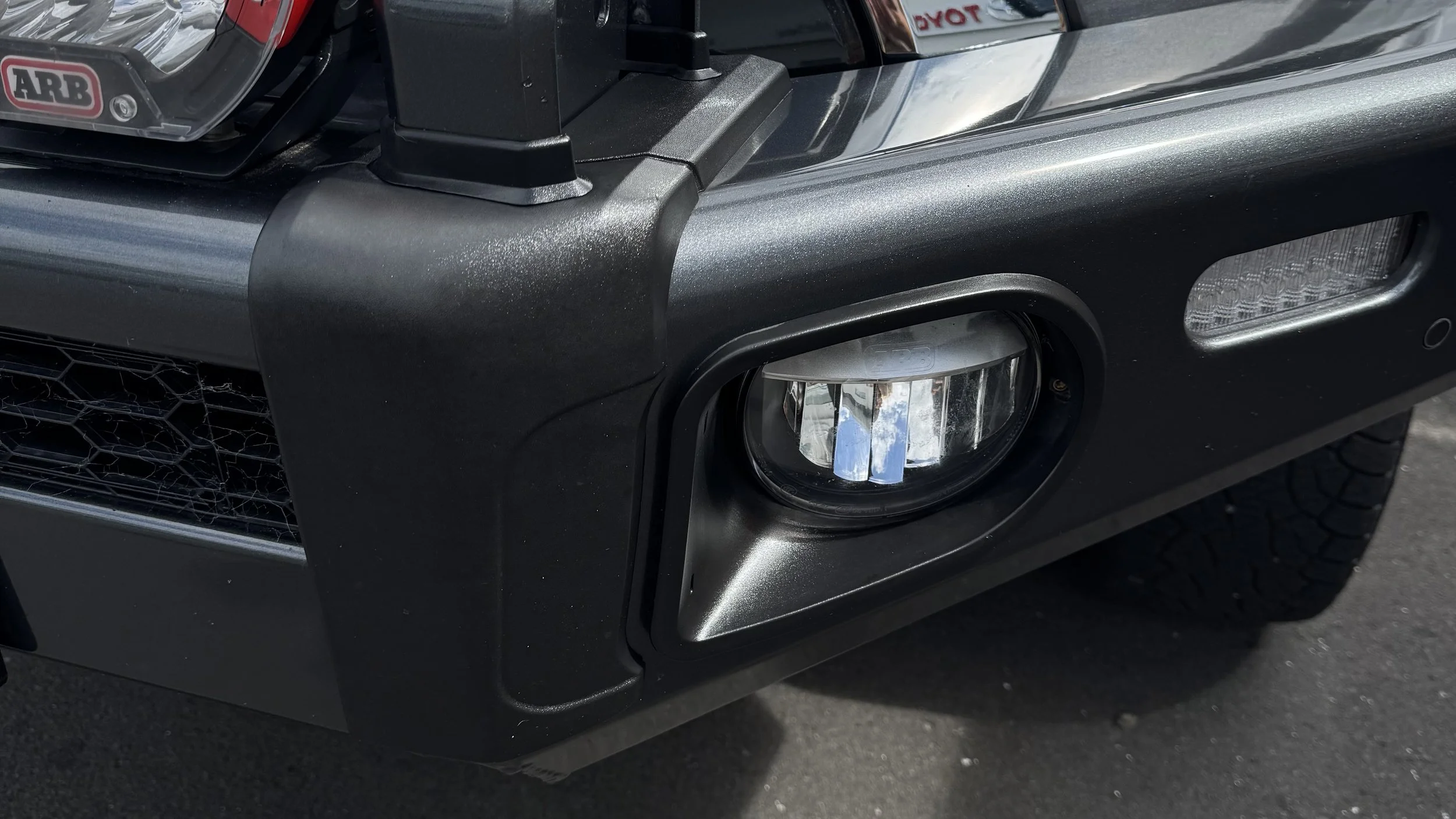
Finally, I revived the plastic trim around the roo bar.
It's a relatively small detail, but faded exterior plastics can make an otherwise tidy vehicle look considerably older and worn out. Restoring some of that original depth and shine helped bring the front of the Hilux back in line with the freshly polished paintwork.
When you're selling a vehicle, buyers see the whole car — not individual repairs. A collection of small scratches, chips, faded paint and tired plastics can all affect that first impression. Taking care of those details before the vehicle goes on the market can make it present considerably better, photograph better and leave potential buyers with less to haggle over and more reasons to buy.
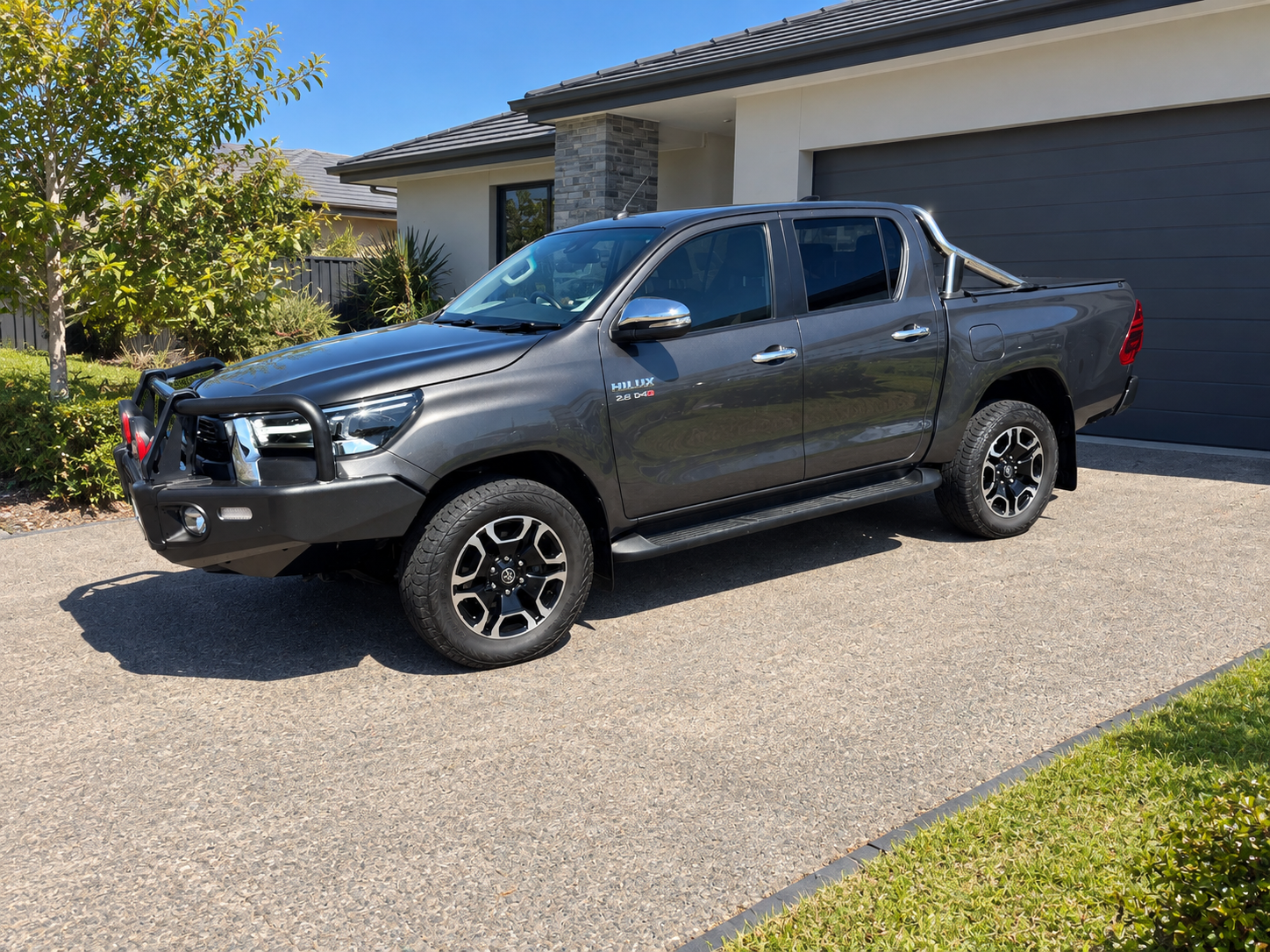
All spruced up and ready for sale!