
Heavily scratched doesn’t always mean it needs repainting.
This 4WD had picked up extensive bush scratches, particularly down the passenger side — which is something I see all the time. Drivers tend to subconsciously protect their own side of the vehicle, leaving the passenger side to cop the worst of the branches.
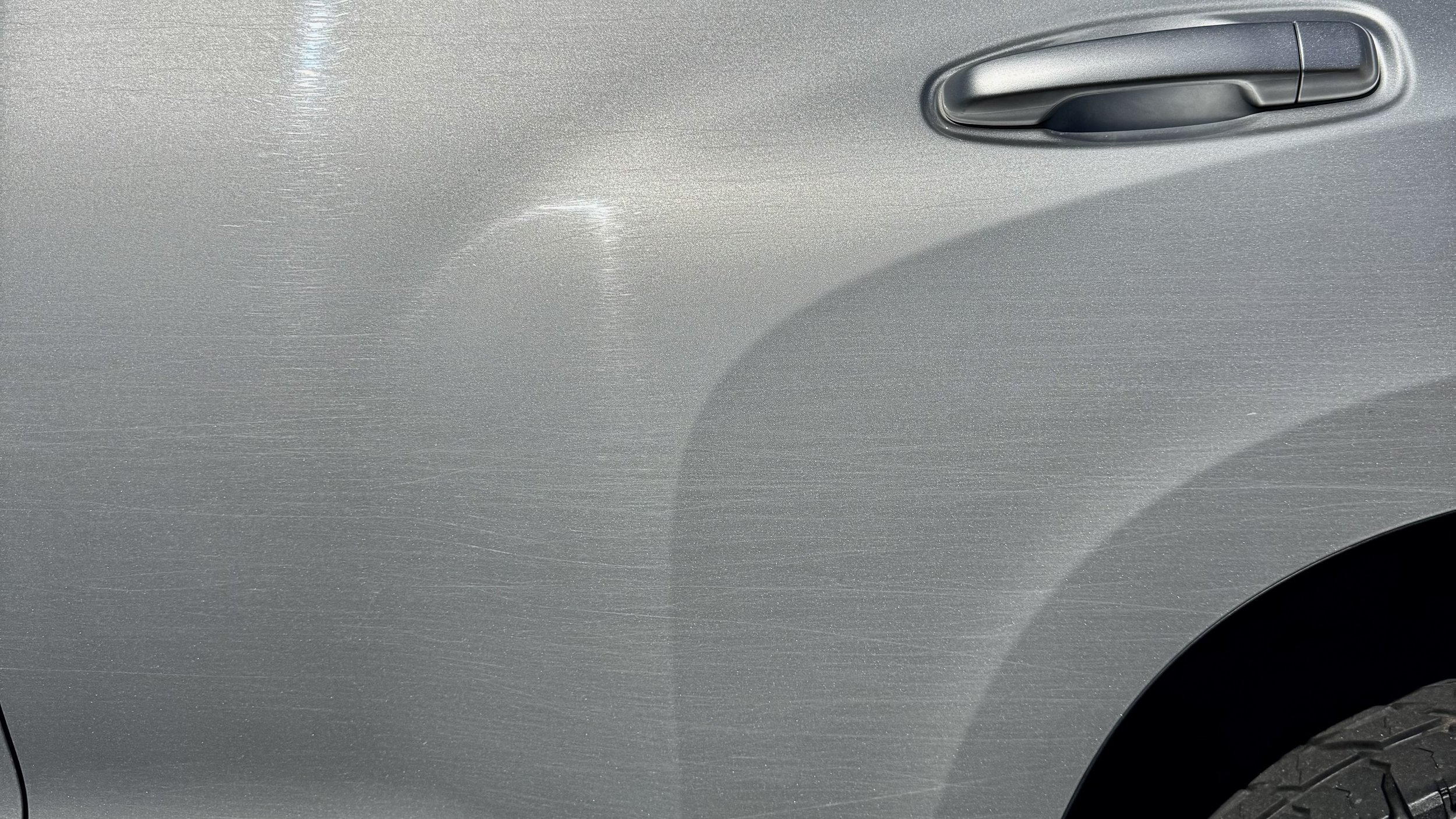
The first step was a heavy compound, using a large rotary buff and cutting paste — roughly equivalent to a 3000-grit. I worked across the affected panels using a mix of horizontal and vertical lines. This combination helps reduce the impact of swirls across the paintwork at the end.
For the deeper and more stubborn scratches, I then switched to a mini buff with the same heavy cutting compound The smaller machine lets me concentrate on individual scratches without unnecessarily working the surrounding paint.
A good general rule is that if you can feel a scratch with your fingernail, it has usually gone through the clear coat and will require paint rather than more buffing.
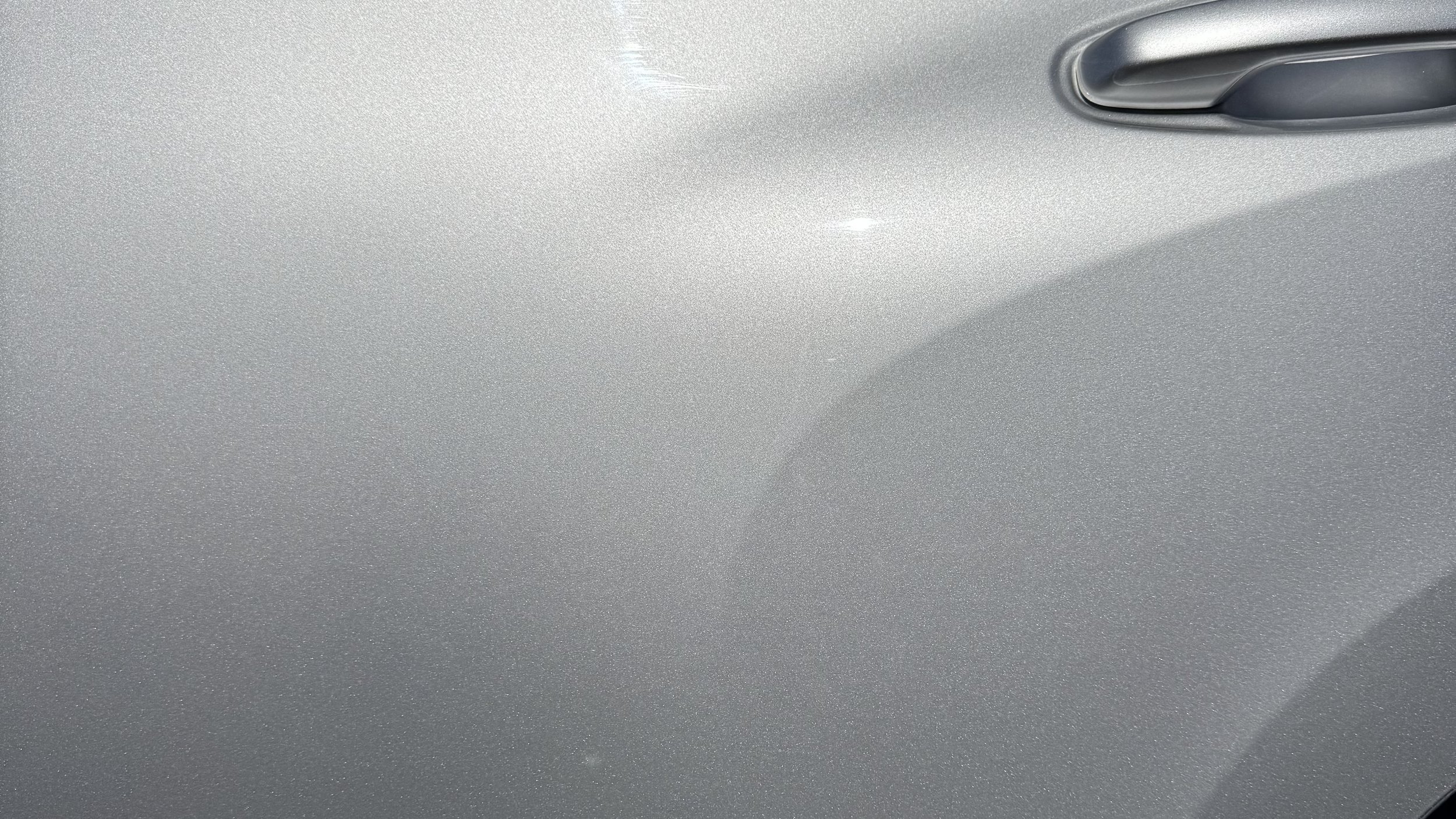
Refining the finish
Once the heavier cutting was complete, I went back over the paint with an orbital buffer and a combination compound and polish.
This stage removes more of the remaining scratches, while the polish also fills and conceals some of the finer marks that are still there. This allows scratches that can't safely be completely buffed out to effectively disappear while also restoring the gloss and clarity of the paint.
But there’s a limit to how far you can safely go with a buffer.
Even scratches that haven't gone completely through the clear coat need to be treated carefully. Keep cutting in an attempt to remove every last mark and you risk going through the clear coat yourself — at which point what started as a cosmetic repair becomes a job for the panel shop.
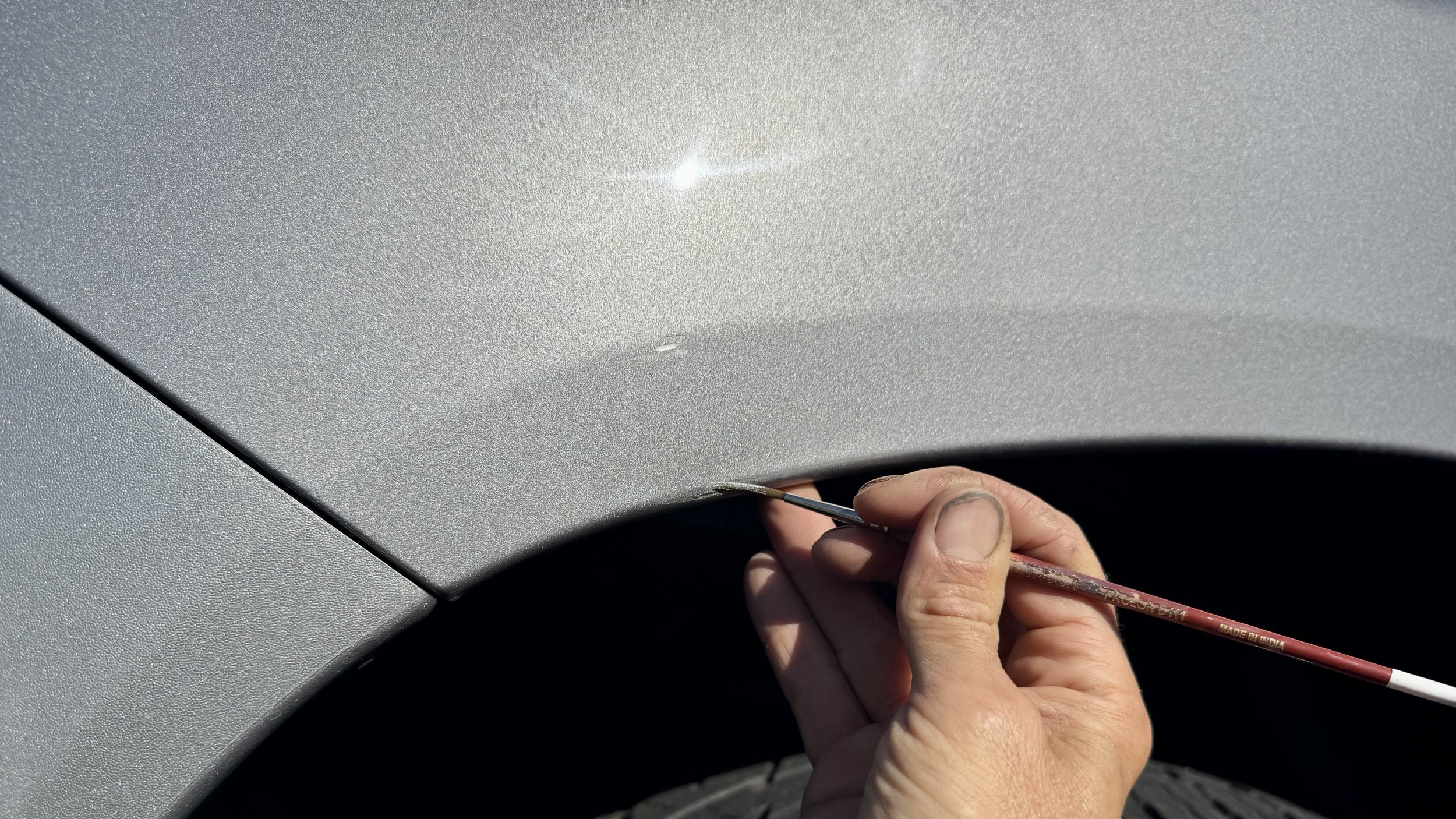
Finishing the deeper scratches and the occasional stone chip
For some of the scratches that remained, I used an ultra-fine paint brush and clear paint to further hide and protect the damaged area without unnecessarily applying colour.
The deepest scratches were finished using the corresponding colour-matched paint — 1F7 for this Prado — again applied carefully with the fine brush.
The aim with this type of repair isn't to chase every scratch until there's no paint left to work with. It's to know which scratches can safely be removed, which can be minimised, and which are better repaired with paint.
That combination can make a heavily bush-scratched vehicle look dramatically better without having to repaint entire panels.